Loading...
Serving Palm Springs, CA and surrounding areas. (442) 234-0152
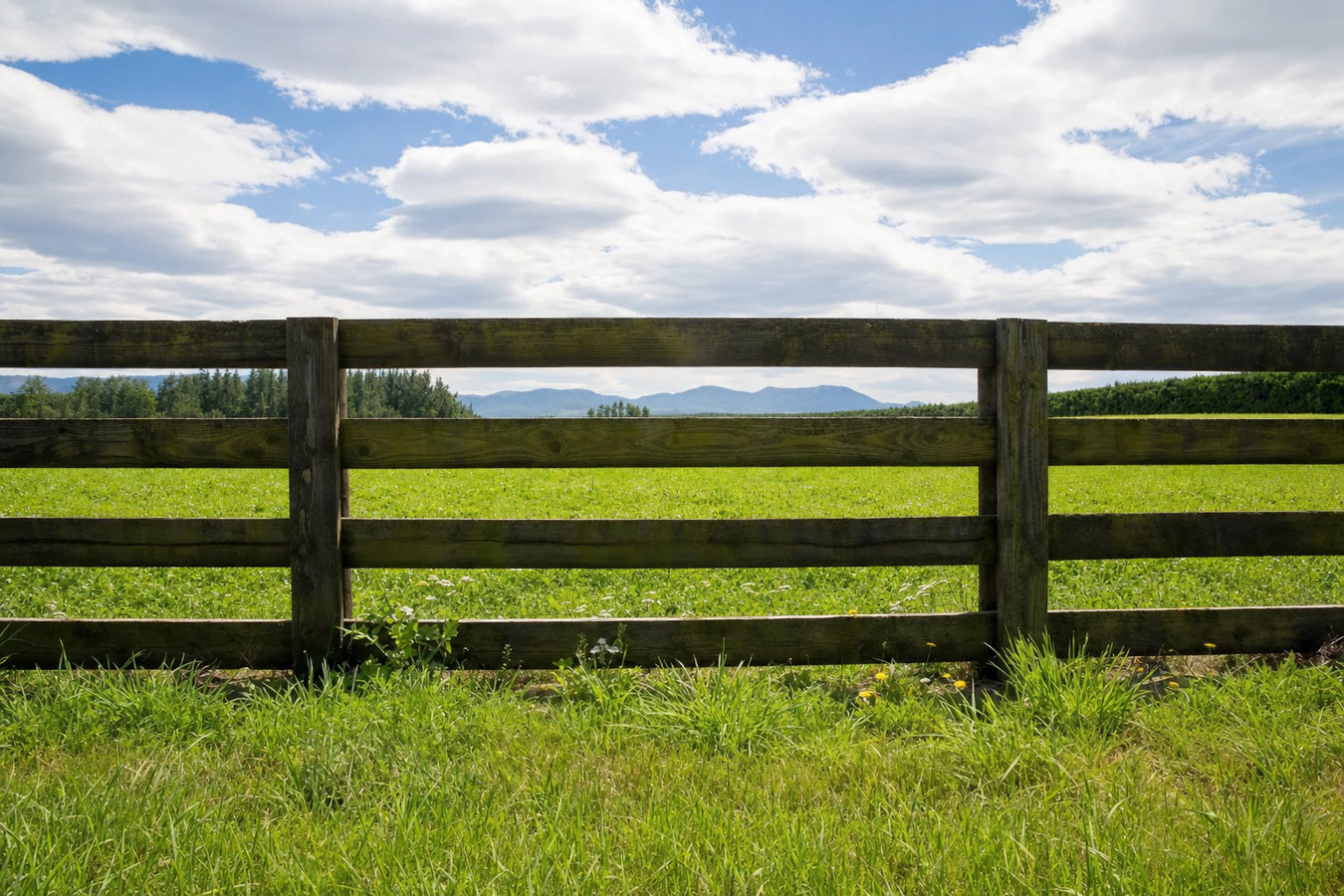
Caliche soil, 110-degree summers, and San Gorgonio Pass winds make rural fencing in the Coachella Valley a different job than anywhere else. We build for those conditions - not against them.
Farm and ranch fencing in Palm Springs covers livestock containment, horse property perimeters, wildlife exclusion, and rural property boundary definition, with most projects running two to four days of active installation once permits and utility marking are complete.
The Coachella Valley presents specific challenges that most general fencing contractors have not encountered. Caliche hardpan sits just below the surface across much of the valley, requiring specialized equipment to penetrate. Seasonal wind events from the San Gorgonio Pass put real lateral stress on fencing that was not engineered to handle it. And extreme UV exposure degrades untreated materials faster here than almost anywhere in California.
Homeowners with dogs or smaller animals often find that farm-grade fencing pairs well with pet and dog fencing solutions, which use similar materials but with spacing and height configured specifically for containment of companion animals rather than livestock.
Walk your fence line and look for posts that tilt away from vertical, especially at corners and gate openings. In Palm Springs, caliche soil can shift as it cycles through wet and dry seasons, and posts that were not set deep enough gradually work loose. A leaning post is a structural problem - the whole section is losing holding strength, and a windstorm or animal pressure can bring it down entirely.
If you can see daylight under fence panels or the wire bows outward in the middle, your fence is no longer doing its job. Rust is especially telling - once wire starts to corrode in the desert heat, it weakens quickly and can snap under load. Gaps at the base are a concern if you have smaller animals that can squeeze through or predators that can dig under.
After one of the strong wind events that blow through the San Gorgonio Pass, walk your entire fence line and check for shifted panels, posts cracked at the base, or sections that pulled away from corners. Wind damage often looks minor on the surface but compromises the structural integrity of the whole run. If you saw the fence flexing or heard it rattling during the storm, have a contractor assess it even if nothing looks obviously broken.
If you are bringing horses, goats, or other livestock onto a property that did not previously have them, your existing fencing is almost certainly not adequate. Livestock fencing has to meet a different standard than a decorative yard fence - it needs to contain animals that push, lean, and test the fence every day. This is also the right time to plan paddock dividers, a dedicated gate layout, and buffer zones.
We install galvanized steel pipe fencing, welded and woven wire livestock panels, and wood post-and-rail fencing for rural and semi-rural properties throughout the Coachella Valley. Galvanized steel and powder-coated metal are our most recommended choices for this climate - they hold up to desert UV and heat cycles that degrade untreated wood within a few years. For horse properties, we configure post spacing and height for the specific animals, set corner and gate posts to handle daily load, and install gate hardware that latches securely without forcing. For properties where budget is the primary consideration, woven wire panels are durable, affordable, and do not require the maintenance that wood does in this environment.
Every project begins with a property walk to assess soil conditions, measure the fence line, and identify any utility lines that need to be marked before digging. For properties wanting lighter-gauge containment within a larger perimeter, our chain link fence installation service covers galvanized chain link panels that work well as interior paddock dividers or secondary barriers on agricultural properties.
Best for horse properties and livestock operations where durability and long service life outweigh upfront cost - holds up through decades of desert heat with minimal maintenance.
Suited for goat, sheep, and mixed livestock operations where affordability and versatility matter - galvanized coatings resist the UV exposure that shortens uncoated wire lifespan.
A natural-looking choice for equestrian properties and rural estates where appearance matters - pressure-treated or UV-treated lumber extends service life significantly in the desert climate.
Standalone gate work for properties where the fence line is solid but the gate swings poorly, drags on the ground, or latches inconsistently under animal pressure.
The single biggest variable for any rural fencing project in this area is the soil. Much of the Coachella Valley sits on caliche - a rock-hard mineral crust that forms just below the surface in desert soils. Standard post-hole augers cannot break through it. Contractors who are not familiar with local conditions often show up without the right equipment, or they submit estimates that do not account for the extra labor. When you are getting quotes, ask directly whether the price covers difficult ground. Properties in the eastern valley - including areas we serve around Coachella - often encounter this challenge on every job.
The San Gorgonio Pass wind corridor northwest of Palm Springs creates a second concern specific to this region. Seasonal wind events regularly push through the valley at 40 to 60 miles per hour, and a fence that was not built with lateral load in mind can fail dramatically in a single storm. This means posts need to be set at the right depth, corner bracing has to be done correctly, and solid panel sections need to be spaced to reduce wind resistance. Desert properties near Yucca Valley face similar wind exposure, and the same design principles apply across both areas. On top of local soil and wind, the UV index here is among the highest in the continental United States - which is why we recommend galvanized or powder-coated materials for virtually every rural fencing application in this climate.
We reply within one business day. We ask about your property size, what animals you are fencing for, and any existing fence that needs to be removed or tied into. This helps us understand scope before we visit.
We visit your property to walk the fence line, assess soil conditions, check for caliche, and measure the total run. You receive a written estimate that breaks out materials, labor, and any permit fees separately - no bundled totals.
Before any digging starts, we submit for required permits through the City of Palm Springs or Riverside County, and contact DigAlert to have underground lines flagged. This step typically takes a few days to two weeks depending on permit processing times.
Corner and gate posts go in first as the anchors for the whole line, then intermediate posts and panels follow. We install all gates and hardware, tighten wire, and walk the completed fence with you before we leave. Move animals to a safe area before the crew arrives.
No obligation. We visit your land, assess the soil, and put the price in writing before any work begins.
(442) 234-0152We bring the specialized post-hole tools needed to break through caliche hardpan, and our estimates account for the extra labor before you sign anything. A contractor who does not mention soil conditions in a quote has almost certainly not worked much in this valley.
We set corner and gate posts to the depths this terrain requires, brace solid panel sections to handle lateral load, and space panels to reduce wind resistance through the fence line. This is standard practice on every job we do in the Coachella Valley - not an add-on.
We recommend galvanized steel and powder-coated metal for rural fencing in this climate because they genuinely hold up to the UV and heat that shortens the life of uncoated materials here. If you want wood, we discuss treated and UV-resistant options so you understand exactly what you are getting. Learn about desert-appropriate agricultural materials from{" "}<a href="https://ucanr.edu" target="_blank" rel="noopener noreferrer" className="underline text-primary">UC Agriculture and Natural Resources</a>.
We determine whether your property falls under City of Palm Springs or Riverside County jurisdiction, pull the appropriate permit on your behalf, and coordinate any required inspection. An unpermitted fence on a rural property can cause complications at sale or with HOA and county reviews - we close that loop before the first post goes in.
A farm or ranch fence is a long-term investment on a property you depend on. Getting it right the first time - with the right materials, the right post depths, and the right permits - is what separates a fence that lasts decades from one that needs replacing in a few years.
California law requires underground utilities to be marked before any digging begins. We contact DigAlert - Underground Service Alert of Southern California on every job. Fencing guidance for desert agricultural conditions is available through UC Agriculture and Natural Resources.
Containment fencing sized and spaced for companion animals, using the same durable desert-rated materials as agricultural perimeter fencing.
Learn MoreGalvanized chain link panels that work well as interior paddock dividers or secondary barriers within a larger rural property layout.
Learn MoreGet a written quote before the next wind season - estimates are free, and we come to you to assess the actual soil and layout before putting a number on paper.