
Loading...
Serving Palm Springs, CA and surrounding areas. (442) 234-0152
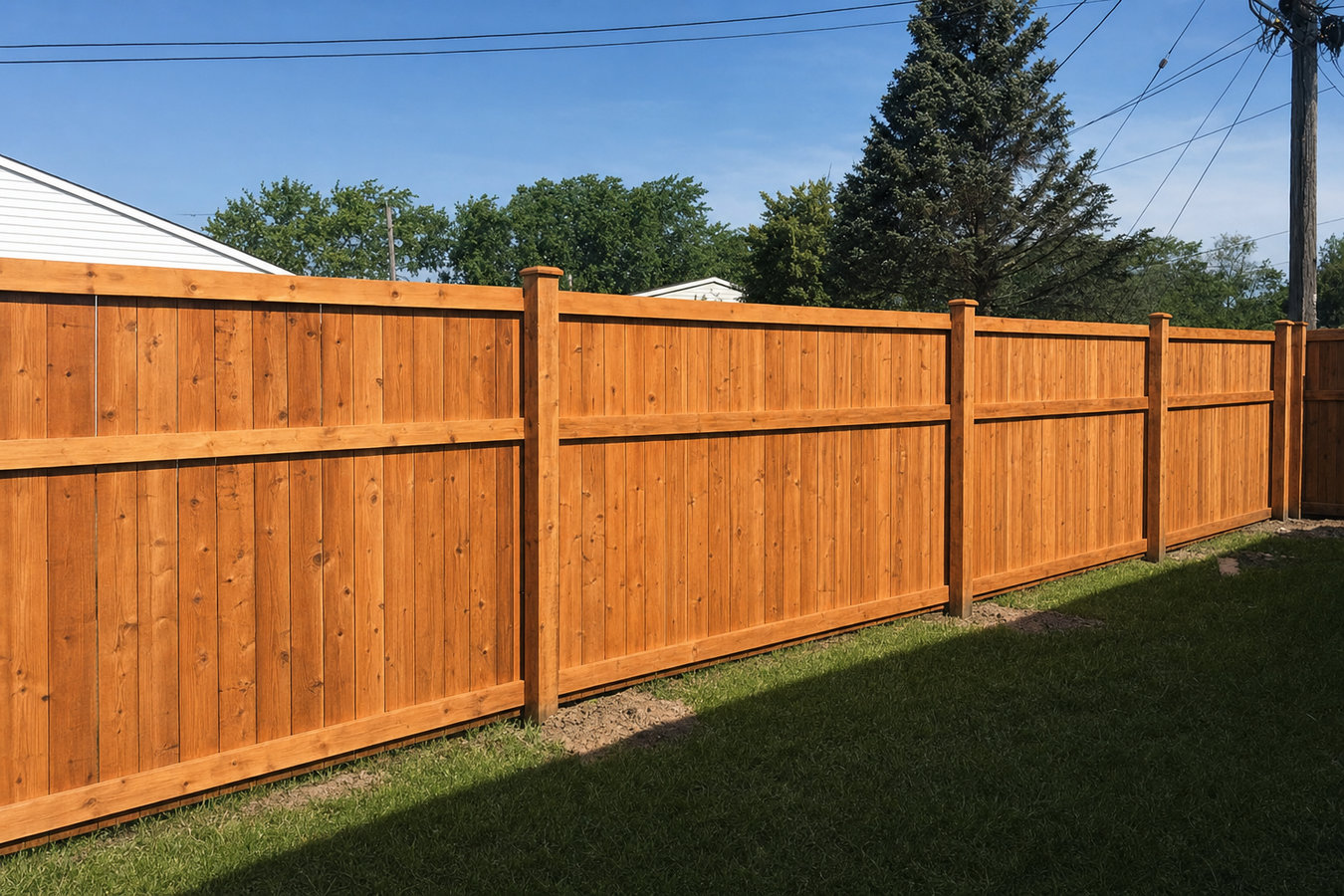
The desert sun drains color and moisture from wood fast. We clean, prep, and seal your fence properly so it holds up through the heat, UV, and late-summer rains.
Fence staining and sealing in Palm Springs protects wood from intense UV exposure, heat, and seasonal moisture - most residential fences need re-treatment every one to two years given local conditions.
If you own a wood fence here, you have probably noticed how quickly it can fade and dry out. Palm Springs averages over 300 sunny days a year, and that kind of UV exposure strips the protective oils from wood faster than almost anywhere else in California. Left untreated, boards turn gray, crack along the grain, and eventually start to splinter. The problem is not just cosmetic - dried-out, cracked boards absorb water during the monsoon-season rains and can develop mildew at the base within a season or two.
Staining soaks protective color into the wood fibers, while sealing adds a layer that blocks moisture and UV from getting back in. Together, they slow down the natural breakdown process significantly. If your fence is already showing early wear, pairing this service with a fence replacement conversation is worth having - but for most fences caught at the right time, proper staining and sealing adds years of life at a fraction of the replacement cost.
When wood loses its natural color and takes on a washed-out gray tone, the surface has been stripped of its protective oils by sun and weather. In Palm Springs, this can happen within a single season on a south- or west-facing fence. The gray color means the wood is now unprotected and will start to crack and splinter if you do not act soon.
Here is a simple test: splash a small amount of water on your fence. If it beads up and rolls off, the sealer is still working. If the water soaks in and darkens the wood within a few seconds, the protective layer is gone. This matters especially in Palm Springs, where even brief rain events can push a lot of water into unprotected wood very quickly.
Run your hand along the fence boards. If the surface feels rough, splintery, or you can see visible cracks running along the grain, the boards have dried out significantly. Desert heat pulls moisture out of wood aggressively, and once cracking starts, it gets worse each season. Staining and sealing at this stage can stop the damage from progressing.
Dark spots or a greenish tinge near the bottom of your fence boards - especially near drip irrigation lines or in shaded corners - is a sign of mildew growth. In Palm Springs, this tends to show up most after the late-summer rain season. Mildew weakens wood over time and can spread if left untreated.
Every job starts with a thorough cleaning. Dirt, mildew, and oxidized gray wood all have to come off before any stain goes on - a coat applied over a dirty surface will bond poorly and peel within months. We pressure-wash the fence, treat any mildew spots, and let the wood dry completely before we apply anything. This prep step is what separates a job that lasts from one that fails before the year is out. Once the surface is ready, we apply the stain and sealer to provide even coverage with no missed boards or drips.
The right product depends on your fence and your goals. Homeowners who want to show off the natural wood grain usually prefer a semi-transparent penetrating stain - it adds color and protection while letting the texture show through. If your fence has older boards with surface irregularities, a solid-body stain gives heavier coverage that evens out the appearance. For newer fences or homeowners who prefer a natural look, a clear sealer blocks moisture and UV without adding color. If you are not sure what your wood fence needs, we will look at it in person and give you a straight recommendation. California has strict low-VOC rules for exterior coatings, and all products we use are compliant with those regulations.
Thorough pressure washing and brightening to remove dirt, mildew, and old product before any stain is applied.
Best for fences with attractive natural wood grain you want to show through, while still adding UV protection.
Ideal for older boards with surface imperfections - provides heavier color coverage with full UV and moisture protection.
Preserves the natural wood look while locking out moisture and UV rays - good choice for newer fences.
Palm Springs sits in one of the highest UV-index zones in the continental United States. The sun here does not just fade fence stain - it breaks down the wood itself, pulling moisture out of the fibers and accelerating the cracking and splitting that eventually makes boards unsalvageable. Coastal California homeowners can sometimes stretch treatment schedules to three or four years. Here, that approach will cost you boards. The combination of extreme heat, 300-plus sunny days, and occasional monsoon-driven rain events means your fence is under stress from multiple directions. A sealer applied at the right time - before the late-summer rains - gives your fence the best protection going into the wettest months of the year.
Many Palm Springs neighborhoods also have active HOAs that govern exterior finishes and colors. Communities in Palm Springs and neighboring Cathedral City often require written approval before you change a fence color, even if you are just re-treating the existing shade. A color change that was not approved can mean a letter from your association and a costly redo. We confirm HOA requirements before we start, so you do not have that problem after the job is done. Contractors using products that are compliant with California Air Resources Board low-VOC rules are also the ones meeting state law - which matters for your health and your landscaping.
We will ask a few quick questions about your fence - length, material, and when it was last treated. Most jobs get a written estimate within 1 business day.
We look at the fence in person before quoting, because the condition of the wood determines how much prep work is needed. We also check for HOA requirements.
The crew pressure-washes and treats the fence to remove mildew, oxidation, and old product. The fence then dries completely before stain is applied.
We apply stain and sealer evenly across all surfaces, then walk the fence with you before leaving. You will know exactly what was applied and when to re-treat.
Free estimate, no pressure. We will look at your fence in person and give you a written quote.
(442) 234-0152Skipping the cleaning and prep step is the number one reason stain jobs fail early. We always clean, brighten, and fully dry the fence before applying anything - so the product bonds properly and lasts through the desert seasons.
Not all stains and sealers perform the same in a high-UV environment. We select products rated for the intense sun exposure that Coachella Valley fences take, which is why our jobs last in this climate when others fade out after one summer.
A large share of Palm Springs neighborhoods require HOA sign-off on exterior color changes. We confirm what your association allows before we touch your fence - so you never get a letter in the mail after the job is done.
You can verify any California contractor license through the California Contractors State License Board at cslb.ca.gov. We carry general liability insurance and workers compensation coverage on every job.
Every one of these details matters in a desert climate that is genuinely harder on wood than most of the country. When you hire us, you are not getting a generic fence crew - you are getting a team that works in Palm Springs conditions every week and knows what lasts here.
California contractor licensing can be verified through the California Contractors State License Board. For permit questions on fence work, contact the City of Palm Springs Building and Safety Division.
When a fence is too far gone for staining to help, we handle full removal and new installation.
Learn MoreNeed a new wood fence first? We install and can schedule staining after the wood has had time to dry.
Learn MorePalm Springs summers are relentless on wood - the sooner your fence is sealed, the better protected it is heading into the hottest months.